What this guide will help you decide
This guide is for business owners and marketers who need a practical answer to a specific customer-acquisition problem: why mobile clarity, tap-to-call actions, forms, and response expectations matter when a customer needs help quickly.
The goal is not to chase a tactic in isolation. In this situation, a customer has to understand urgency, fit, and the next step before they contact a service business. Use the steps below to decide what is true in the business today, what a customer needs to see next, and how to tell whether the work is improving qualified demand.
Design for the urgent moment
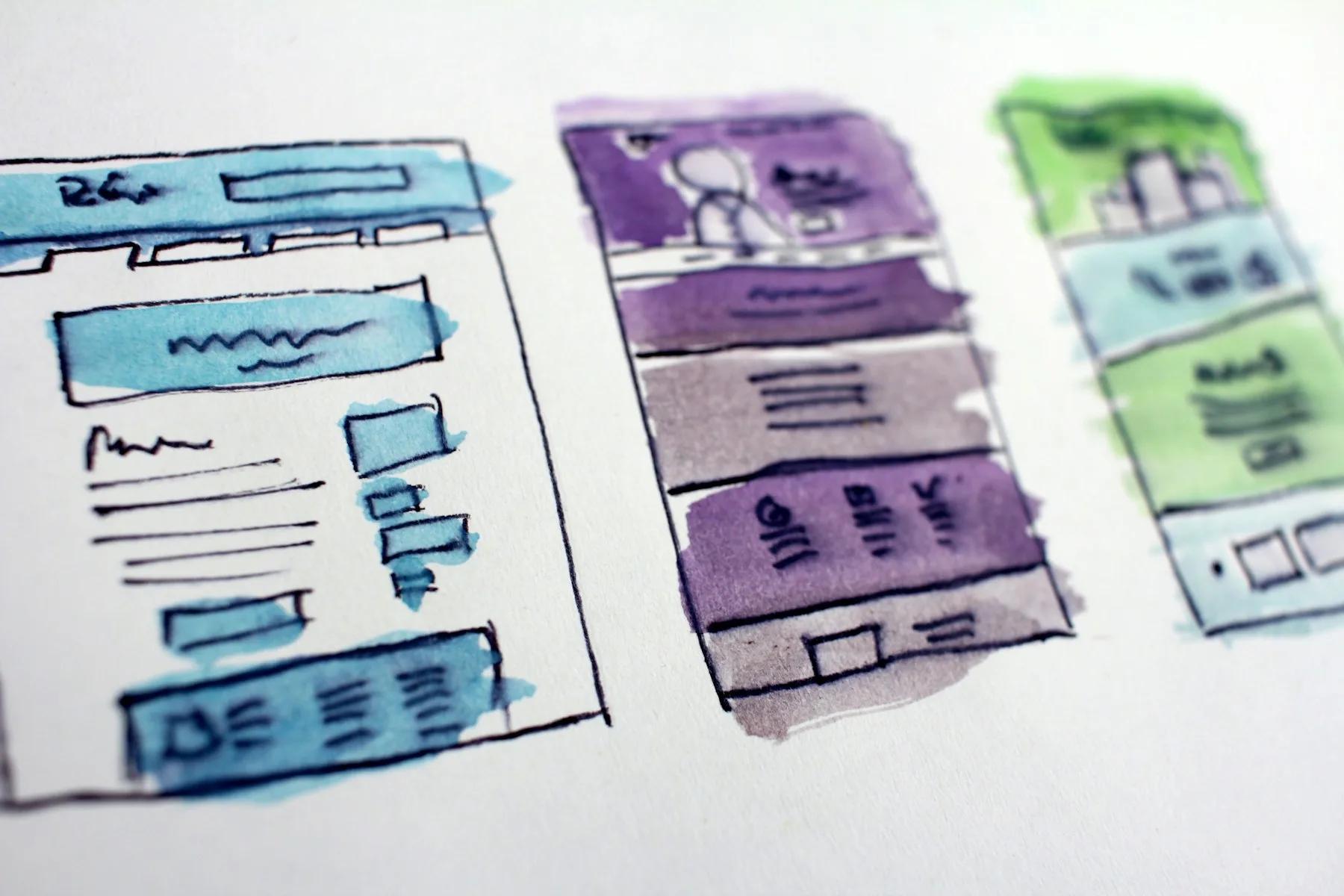
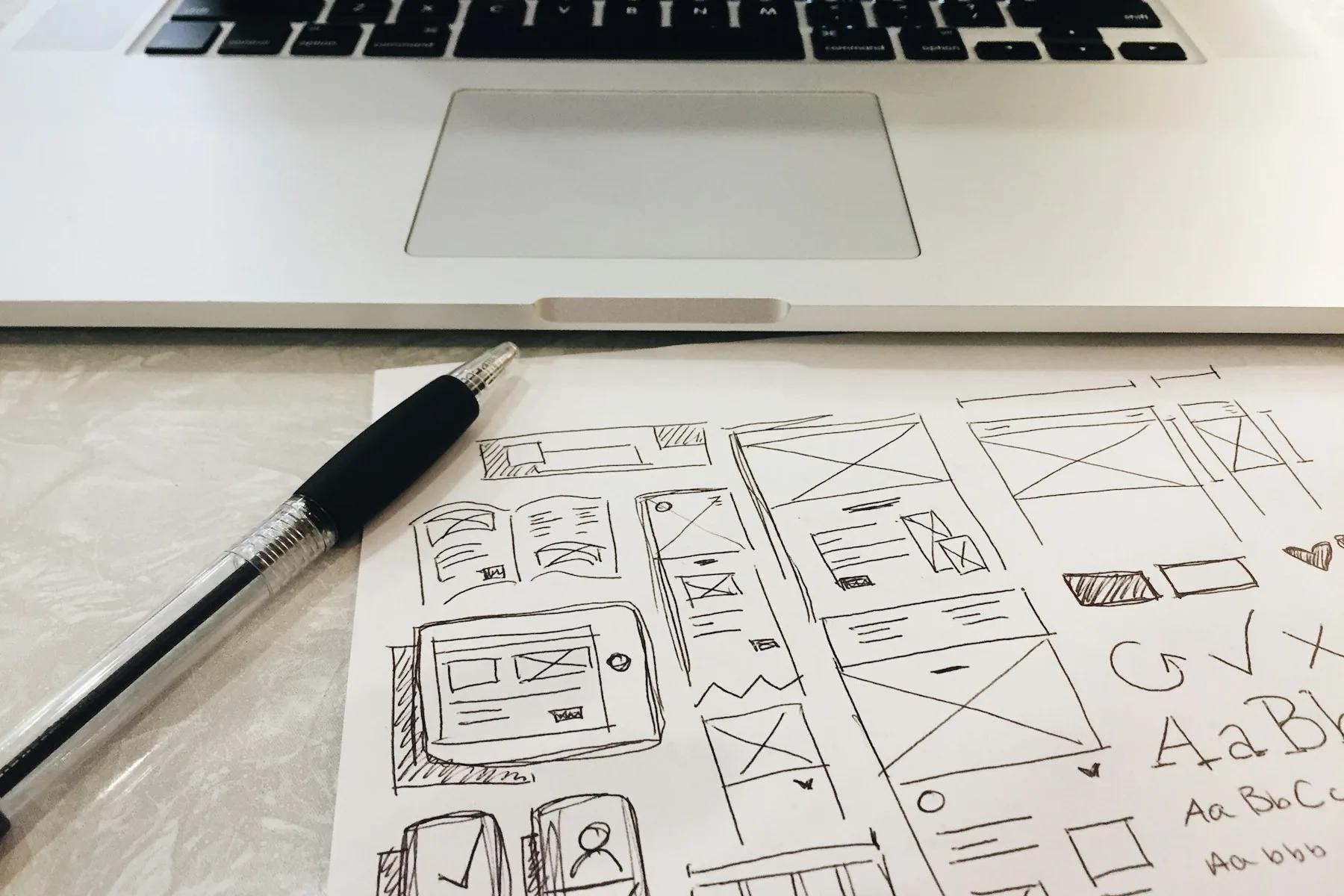
Keep the service, coverage, phone, and next step visible without requiring a visitor to zoom or navigate a maze. A phone number should work as a phone number.
Turn “design for the urgent moment” into an observable part of the customer journey. Write down the actual promise a customer sees, the evidence that supports it, the person responsible for keeping it current, and the action that should happen next. This prevents a good recommendation from becoming a vague marketing task that no one can verify.
A useful review asks three questions: Is this information accurate for the business right now? Does it answer the question that brought the customer here? Can the team deliver what the page, profile, ad, or follow-up message implies? When one answer is no, fix that gap before adding more campaigns, city pages, or publishing volume.
Practical checkpoint: choose one real customer interaction tied to design for the urgent moment and follow it from search or referral through the next business response. Note where the customer has to guess, wait, repeat themselves, or compare conflicting information. Those friction points are usually more valuable than another round of generic optimization.