This guide is for business owners and marketers who need a practical answer to a specific customer-acquisition problem: a practical prioritization guide for improving performance without rebuilding a site unnecessarily.
The goal is not to chase a tactic in isolation. In this situation, a visitor needs to understand the offer and act without having to decode the website. Use the steps below to decide what is true in the business today, what a customer needs to see next, and how to tell whether the work is improving qualified demand.
Start with the largest experience problems
Review the main image, layout shift, slow scripts, blocked interactions, and mobile network behavior. Fix what a customer feels before chasing a perfect score.
Turn “start with the largest experience problems” into an observable part of the customer journey. Write down the actual promise a customer sees, the evidence that supports it, the person responsible for keeping it current, and the action that should happen next. This prevents a good recommendation from becoming a vague marketing task that no one can verify.
A useful review asks three questions: Is this information accurate for the business right now? Does it answer the question that brought the customer here? Can the team deliver what the page, profile, ad, or follow-up message implies? When one answer is no, fix that gap before adding more campaigns, city pages, or publishing volume.
Practical checkpoint: choose one real customer interaction tied to start with the largest experience problems and follow it from search or referral through the next business response. Note where the customer has to guess, wait, repeat themselves, or compare conflicting information. Those friction points are usually more valuable than another round of generic optimization.
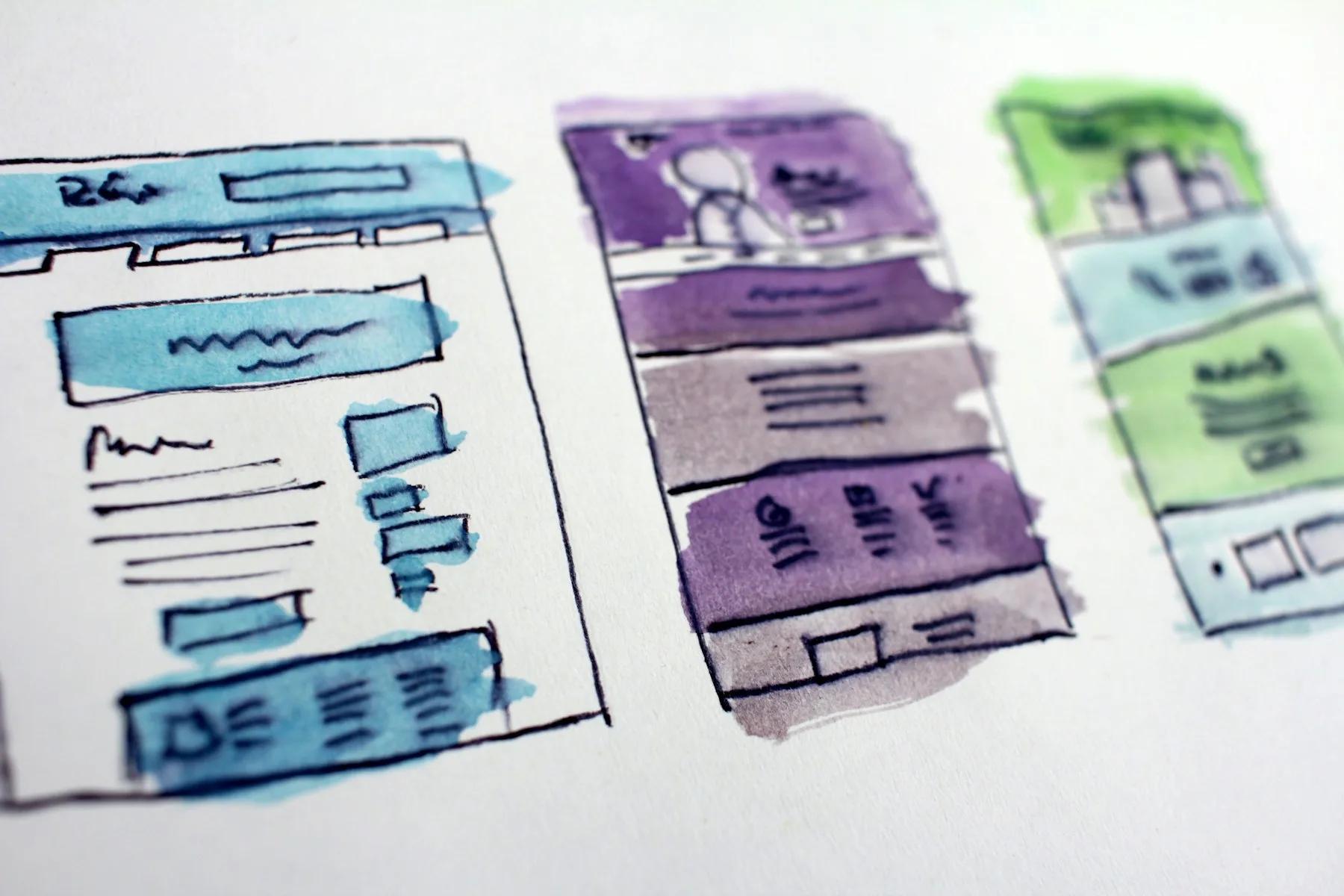
A visual checkpoint for the work described in “Start with the largest experience problems.”
Keep media purposeful
Use appropriately sized images, modern formats, responsive behavior, and lazy loading where it does not harm the first view. Every asset should support the page decision.
Turn “keep media purposeful” into an observable part of the customer journey. Write down the actual promise a customer sees, the evidence that supports it, the person responsible for keeping it current, and the action that should happen next. This prevents a good recommendation from becoming a vague marketing task that no one can verify.
A useful review asks three questions: Is this information accurate for the business right now? Does it answer the question that brought the customer here? Can the team deliver what the page, profile, ad, or follow-up message implies? When one answer is no, fix that gap before adding more campaigns, city pages, or publishing volume.
Practical checkpoint: choose one real customer interaction tied to keep media purposeful and follow it from search or referral through the next business response. Note where the customer has to guess, wait, repeat themselves, or compare conflicting information. Those friction points are usually more valuable than another round of generic optimization.
Use the middle of the process to check whether the customer path matches the promise.
Measure after each change
Use real field data and task completion, not just a lab score. Performance improvements matter when visitors can understand, navigate, and contact the business more easily.
Turn “measure after each change” into an observable part of the customer journey. Write down the actual promise a customer sees, the evidence that supports it, the person responsible for keeping it current, and the action that should happen next. This prevents a good recommendation from becoming a vague marketing task that no one can verify.
A useful review asks three questions: Is this information accurate for the business right now? Does it answer the question that brought the customer here? Can the team deliver what the page, profile, ad, or follow-up message implies? When one answer is no, fix that gap before adding more campaigns, city pages, or publishing volume.
Practical checkpoint: choose one real customer interaction tied to measure after each change and follow it from search or referral through the next business response. Note where the customer has to guess, wait, repeat themselves, or compare conflicting information. Those friction points are usually more valuable than another round of generic optimization.
A practical implementation plan
Start with the smallest change that improves the whole decision. For website speed for small businesses: what to fix first, that usually means confirming the core facts, strengthening one high-intent page or customer touchpoint, and assigning someone to own the response after the visitor acts. Do not add new channels until that path works under ordinary conditions.
First, collect the evidence: current page copy, search results, customer questions, reviews, call notes, form submissions, and the handoff process. Second, decide which fact, explanation, or action is missing. Third, make the change, test it on a phone, and watch the resulting inquiries—not just rankings, impressions, or clicks.
Keep a short decision log as you work. Record what changed, why it changed, when it went live, and which customer behavior should move if the change helps. This creates a usable learning loop and makes it easier to distinguish a genuine improvement from normal variation.
Use these checks before you publish or promote the page
The page answers one defined customer question with specific, accurate information.
The next action is clear, reachable on mobile, and owned by a real person or reliable workflow.
The images, headings, metadata, and links support the subject instead of repeating keywords.
The business can measure a meaningful outcome, such as a qualified call, booking, estimate, visit, or completed job.
What to measure after the change
Give the updated page or process enough time to collect real behavior, then compare it with the period before the change. Look at the quality of the inquiry, the speed and completeness of the response, and whether the customer reached the intended next step. Search visibility can be useful context, but it is not the finish line. A smaller number of well-qualified requests that the team can answer is more valuable than a larger number of visits that never become conversations.
Review the evidence with the person closest to sales, scheduling, or service delivery. They can usually tell you whether the questions arriving are clearer, whether customers understand the offer sooner, and whether the change created an operational promise the business cannot keep. Feed that learning back into the page, profile, image captions, and follow-up process. That is how an article becomes part of a customer-growth system rather than a one-time publishing task.
Where to go from here
If this topic exposes a larger gap, do not solve it with more content alone. The next useful step is to review visibility, trust, conversion, and response together. Secant Outreach uses a Growth Audit to identify the point in that system most likely to improve the next customer decision.